Radiant Energy Veil - dynamic window concept
Design & Manufacturing · Research · 2021
During a 4-month research term at the Advanced Photovoltaics, Photonics and Devices Lab, I worked on an early-stage dynamic window concept built around a Radiant Energy Veil. The goal was to explore how a controllable radiative layer could help reduce heat loss in buildings and improve thermal performance beyond conventional glazing systems.
- Context: early-stage research and concept development at AP2D
- Focus: dynamic glazing, radiative heat transfer, and manufacturable window concepts
- My role: literature review, patent mapping, and CAD concept development
- Outcome: helped define a viable design direction for later AP2D window work
Context and objectives
Traditional high-performance windows typically rely on static coatings, gas fills, and layered glazing to manage heat transfer. This project explored a different idea: whether a window could dynamically influence radiative heat exchange in a way that better adapts to changing environmental conditions.
My role was to help translate that high-level idea into a more concrete engineering concept. I focused on understanding the current state of dynamic glazing technologies, identifying technical and IP constraints, and creating early CAD concepts for how a Radiant Energy Veil could be incorporated into a multi-pane window assembly.
Research and concept development
I began with a structured literature and patent review covering topics such as low-E coatings, spectrally selective films, vacuum glazing, and active façade systems. For each approach, I looked at performance tradeoffs, manufacturability, and how closely it overlapped with the concept we were exploring.
This helped define a design space that was both technically promising and meaningfully different from existing patented solutions. I summarized the findings into internal briefs that helped guide the team toward concepts that were more realistic from both an engineering and commercialization perspective.
CAD exploration and iteration
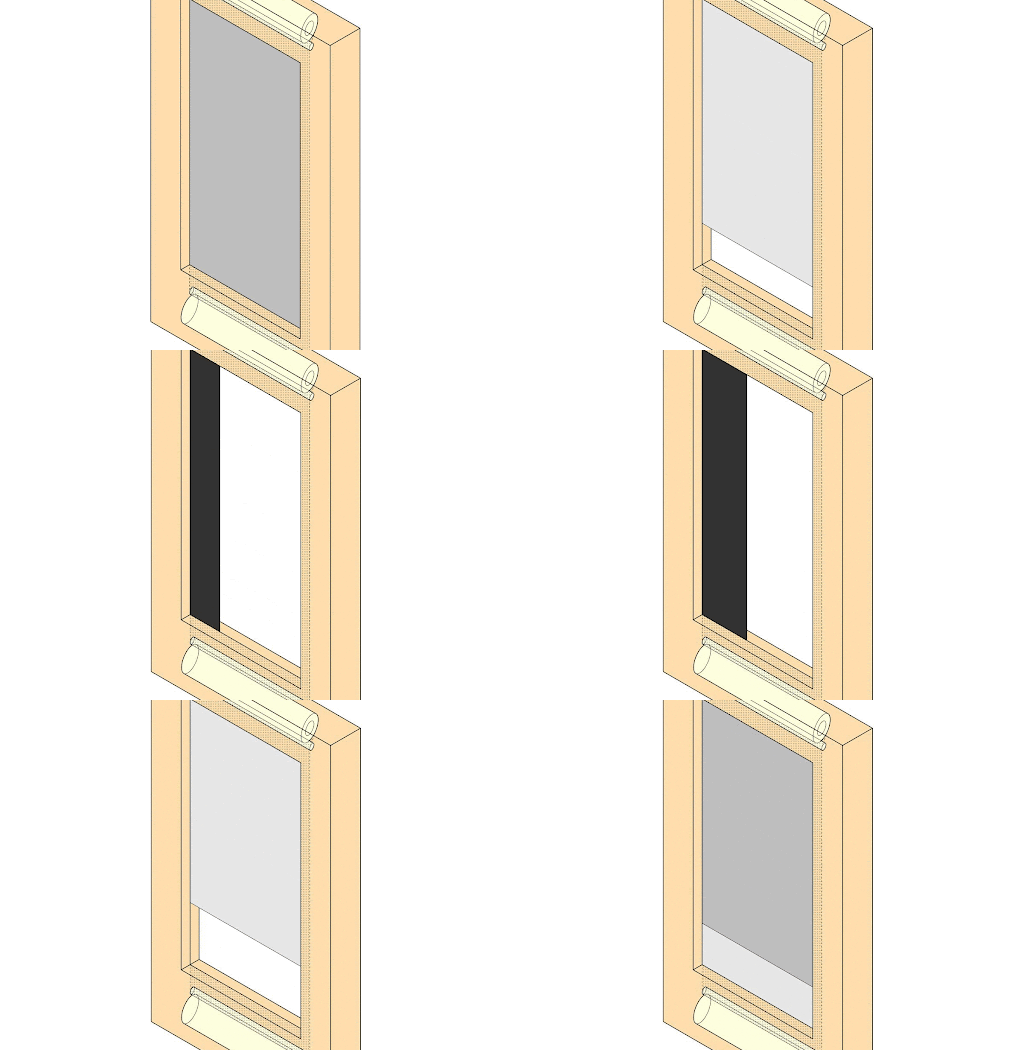
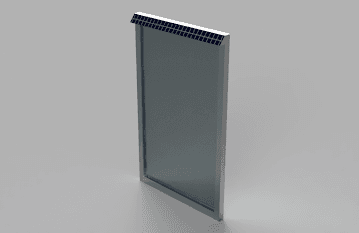
Once the technical direction was clearer, I moved into CAD-driven concept development. I modeled multiple window assembly variations with different layer arrangements, support structures, and integration strategies for the Radiant Energy Veil, while paying attention to how the concept would interact with spacers, seals, and framing.
Each concept was evaluated against a mix of technical and practical considerations, including thermal performance potential, manufacturability, and compatibility with existing fabrication approaches. I used section views and exploded assemblies to make the tradeoffs easier to communicate during internal design discussions.
What I learned
Although the full technical details remain confidential, this project had a big impact on how I think about engineering design. It pushed me to connect heat transfer theory, material behavior, and IP constraints with practical concept development in CAD.
It also became a foundation for my later work on dynamic solar windows at AP2D, where I moved from early concept work into more simulation-heavy performance analysis. Together, those experiences strengthened my interest in engineering problems that sit at the intersection of sustainability, design, and implementation.
What I did
- Reviewed patents and literature on dynamic and high-performance glazing
- Helped define design constraints for integrating a Radiant Energy Veil into multi-pane window assemblies
- Built and iterated CAD concepts from early layouts to refined assembly models
- Created exploded views and section cuts for internal reviews
- Helped connect research ideas to manufacturing and IP realities